




Project overview
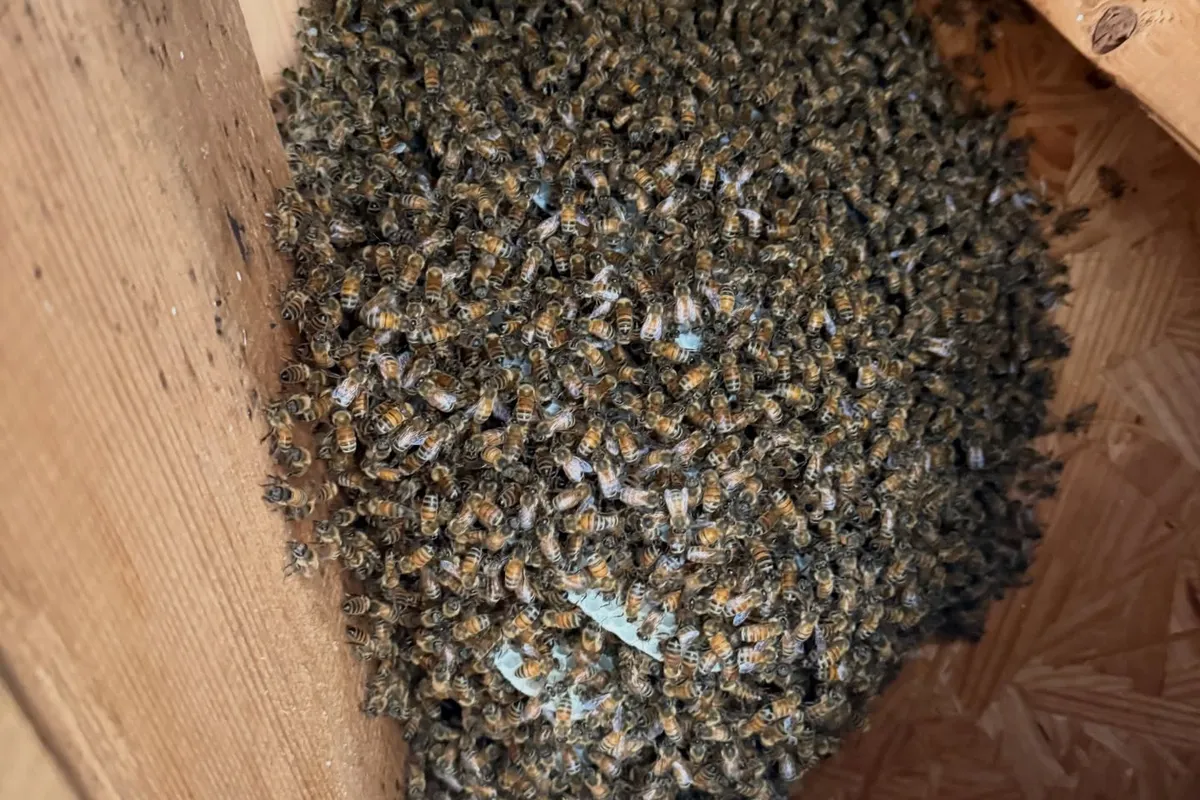
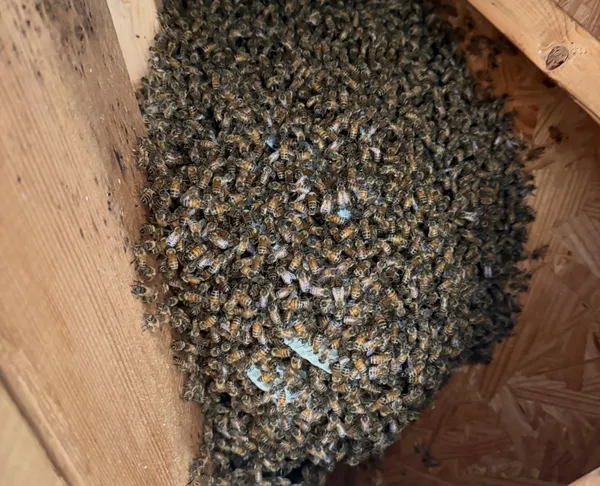
A family in north Hermosa Beach called after noticing bees circling a vent near the roofline and a faint hum above the living room ceiling. By the time we arrived, honey had started to stain the drywall. A thermal scan showed a large warm mass in the ceiling bay right next to the exterior wall, about four feet from the entrance the bees were using.
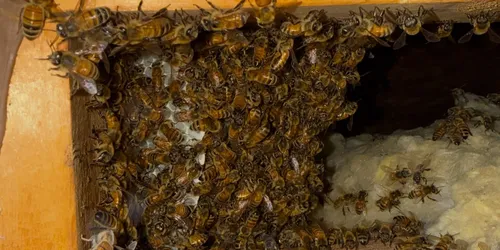
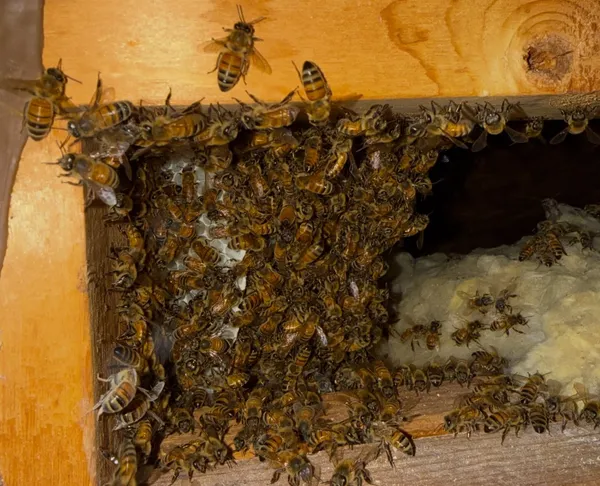
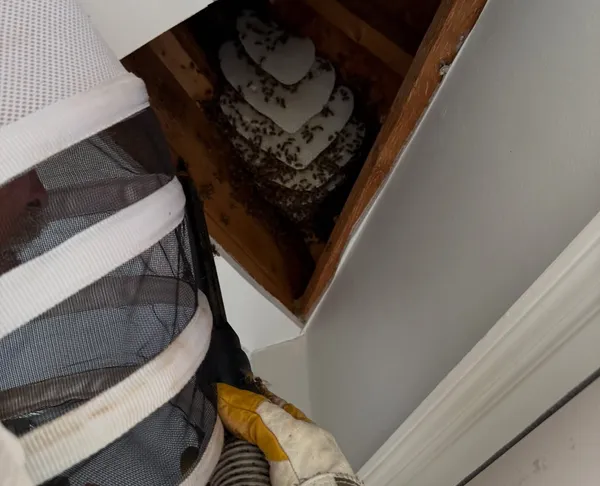
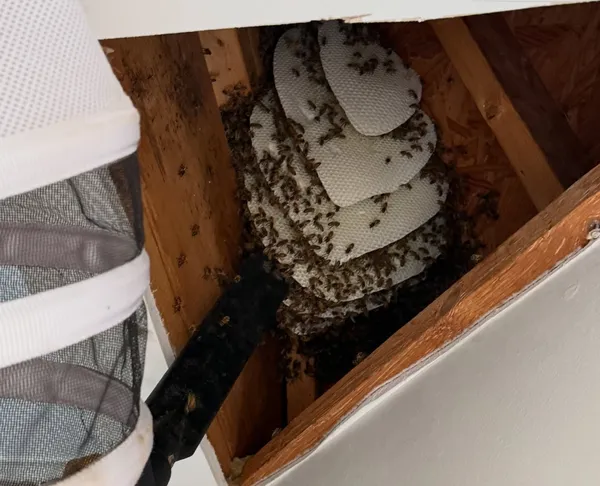
The colony had been inside for most of the spring and had built several large combs across two joist bays. Leaving the comb in place was not an option: in summer heat it would melt through the ceiling.
What the client needed
The homeowners wanted the bees saved if possible, the ceiling opened as little as possible, and the room usable again the same evening. They also asked for the cavity to be sealed so a new swarm would not move into the same spot.
- Live removal and relocation of the colony
- Minimal ceiling opening and dust control
- All comb and honey removed
- Entry point sealed against new swarms
Our approach
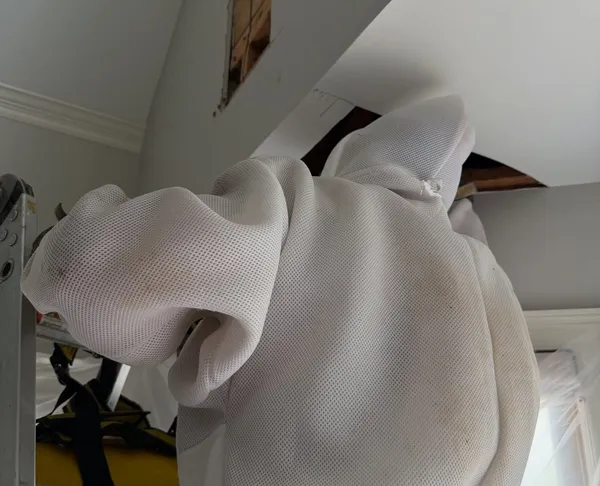
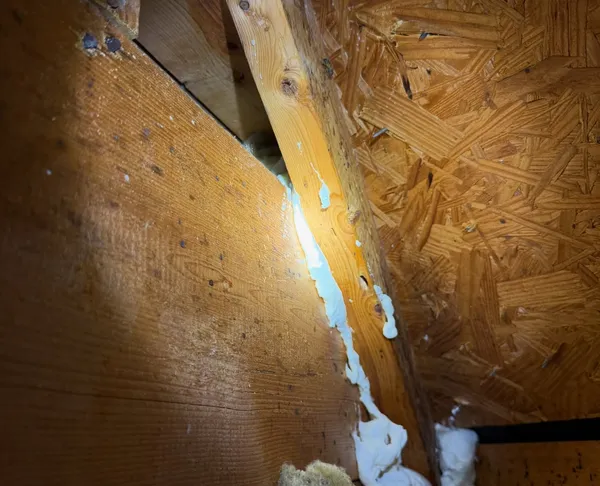
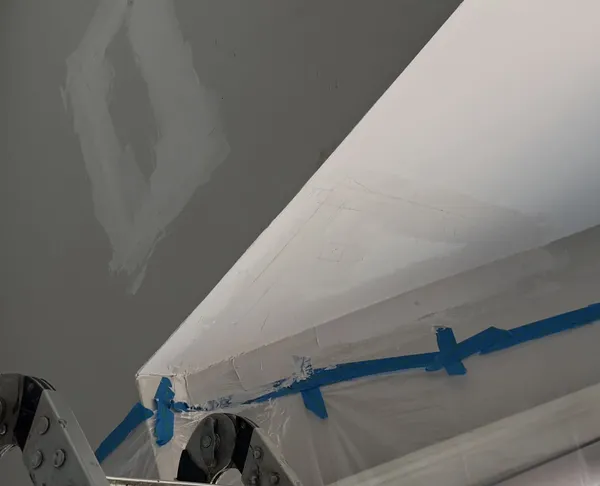
We taped off the room, protected the floor and furniture, and cut a single clean opening between joists based on the thermal map. The bees were vacuumed alive with a low-pressure bee vacuum, then every comb was cut out, bagged and removed, and the cavity was cleaned and treated.
- Thermal imaging to locate the comb precisely
- Room sealed with plastic and floor protection
- Live bee vacuum, colony handed to a local beekeeper
- Cavity cleaned, treated, insulated and closed
Work process
The job followed our standard bee removal process. Learn more on our bee removal service page.

01. Locate and protect
Thermal scan, room taped off and furniture covered before any cutting.

02. Remove bees and comb
Bees vacuumed alive, then all comb and honey cut out and bagged.

03. Seal and patch
Exterior entry sealed, cavity treated and the ceiling opening closed for drywall finishing.
Project photos
Related projects: Honeycomb removal from an exterior wall cavity (Torrance). Live bee colony removal from a wooden cable spool (Gardena).